
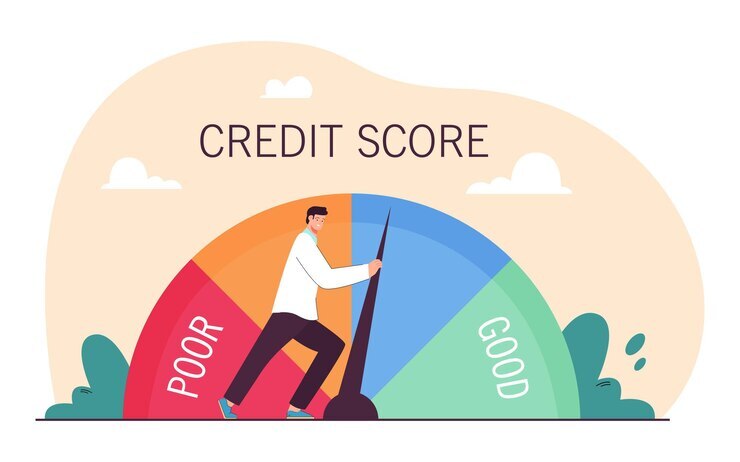
A CIBIL score is a crucial factor in determining your creditworthiness. Whether you want to apply for a home loan, car loan, or personal loan, maintaining a high CIBIL score is essential for quick approvals and better interest rates. In this detailed guide, we will discuss how to maintain a good CIBIL score and improve your financial credibility.
What is a CIBIL Score?
A CIBIL score is a three-digit number ranging from 300 to 900 that reflects your credit history, repayment behavior, and financial discipline. Lenders, including banks and financial institutions, use this score to assess the risk of lending money to an applicant. A score above 750 is considered excellent and increases the chances of loan approval.
Why is Maintaining a Good CIBIL Score Important?
A high CIBIL score offers several benefits, including:
. Faster Loan Approvals: Banks and NBFCs prefer applicants with a high credit score.
. Lower Interest Rates: A good score helps you secure loans at lower interest rates.
. Higher Credit Limits: A high credit score increases the chances of getting a higher credit limit.
. Easier Credit Card Approvals: Credit card companies approve cards with better rewards and benefits for those with a good CIBIL score.
Proven Tips to Maintain a Good CIBIL Score
1. Pay Your Bills on Time
One of the most critical factors affecting your CIBIL score is timely repayment of credit card bills and EMIs. Missing or delaying payments negatively impacts your score. Set up automatic payments or reminders to ensure timely payments.
2. Maintain a Low Credit Utilization Ratio
Your credit utilization ratio (CUR) is the percentage of available credit that you use. A CUR below 30% is ideal for maintaining a good CIBIL score. If your credit limit is ₹1,00,000, try not to exceed spending ₹30,000 per month.
3. Avoid Multiple Loan Applications in a Short Time
Every time you apply for a loan or credit card, the lender checks your CIBIL report, which is recorded as a hard inquiry. Multiple hard inquiries in a short period signal financial distress and lower your CIBIL score. Apply for credit only when necessary.
4. Maintain a Healthy Credit Mix
Having a balanced mix of secured (home loans, car loans) and unsecured credit (personal loans, credit cards) positively impacts your CIBIL score. Avoid relying too much on unsecured loans.
5. Monitor Your Credit Report Regularly
Check your CIBIL report frequently for any errors or discrepancies. Even minor errors, such as incorrect personal details or unrecognized transactions, can lower your CIBIL score. Dispute incorrect entries immediately with CIBIL.
6. Avoid Closing Old Credit Accounts
The length of your credit history affects your CIBIL . Closing old credit card accounts with a good payment history reduces your credit age and may negatively impact your score. Instead, keep old credit cards active with occasional transactions.
7. Do Not Default on Loans
Loan defaults significantly damage your CIBIL. If you are unable to make payments, contact your lender to negotiate a repayment plan or restructure your loan.
8. Avoid Settling Credit Accounts
Loan settlements, where the lender agrees to close the account for a partial payment, are recorded in your credit history and negatively impact your score. Always aim for full repayment of loans.
9. Increase Your Credit Limit Wisely
A higher credit limit lowers your credit utilization ratio if you maintain the same spending habits. If your financial discipline is strong, request a credit limit increase to improve your CIBIL.
10. Maintain Stability in Employment and Address
Lenders prefer applicants with stable employment and residential history. Frequent changes in jobs and addresses can raise red flags and may impact your creditworthiness.
How Long Does It Take to Improve a CIBIL Score?
Improving your CIBIL is a gradual process. If you follow the above steps diligently, you may see improvements in 6 to 12 months. However, severe negative records such as loan defaults may take longer to rectify.
Common Myths About CIBIL Score
Myth 1: Checking My CIBIL Score Lowers It
Fact: Checking your own CIBIL score (soft inquiry) does not impact your credit score. Only hard inquiries made by lenders affect your score.
Myth 2: A High Income Guarantees a Good Score
Fact: Your income level does not directly affect your CIBIL. Your credit behavior, including timely payments and credit utilization, matters more.
Myth 3: Closing a Credit Card Improves CIBIL
Fact: Closing a credit card reduces your available credit, which can increase your credit utilization ratio, negatively impacting your score.
Awesome https://is.gd/N1ikS2
Good https://is.gd/N1ikS2
Good https://is.gd/N1ikS2
https://shorturl.fm/oYjg5
https://shorturl.fm/FIJkD
https://shorturl.fm/A5ni8
https://shorturl.fm/retLL
Promote our brand and get paid—enroll in our affiliate program! https://shorturl.fm/LH5hK
Your network, your earnings—apply to our affiliate program now! https://shorturl.fm/C4L6b
https://shorturl.fm/DK7Vf
https://shorturl.fm/axH9n
https://shorturl.fm/o1aQg
https://shorturl.fm/OKvAI